
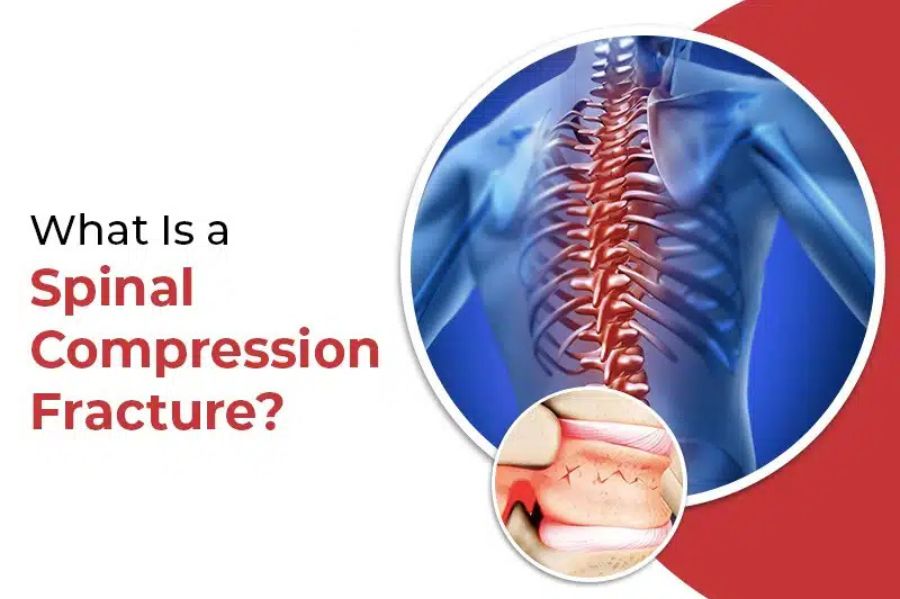
The spine is the body’s main support system, made up of 33 small bones called vertebrae that protect the spinal cord and carry the body’s weight. When one or more of these bones become weakened or experience too much pressure, they can crack or collapse — this is known as a spinal compression fracture.
Causes:
Several factors can lead to spinal compression fractures, including:
◼️Osteoporosis — A condition in which bones become weak and brittle, making them more prone to fracture even with minimal trauma.
◼️Spinal injury or trauma — Falls, car accidents, or other high-impact injuries can place excessive force on the vertebrae.
◼️Tumors — Both cancerous and non-cancerous tumors can weaken vertebrae, increasing fracture risk.
◼️Certain medical conditions — Disorders such as multiple myeloma, metastatic cancer, and osteogenesis imperfecta weaken bone structure.
◼️Aging — Bone density naturally decreases with age, making fractures more likely.
◼️Long-term corticosteroid use — Prolonged use of steroids can reduce bone density and increase fracture risk.
Individual risk varies based on medical history, lifestyle, and overall health. A healthcare professional can provide proper diagnosis and treatment planning.
Treatment Options:
Treatment aims to relieve pain, stabilize the spine, and prevent future fractures:
◼️Medication (pain relievers, muscle relaxants)
◼️Back braces for support and stability
◼️Bone-strengthening drugs (e.g., bisphosphonates like Fosamax, Boniva)
Minimally invasive surgery if needed:
▫️Vertebroplasty — bone cement injected into the fractured vertebra
▫️Kyphoplasty — balloon creates space before cement injection
▫️Spinal fusion — permanently joins vertebrae in severe cases
👉 A doctor should evaluate each case individually to choose the best treatment.
For more information, talk to a healthcare provider.
If you have any questions about SPINAL COMPRESSION FRACTURE? Please feel free to leave a comment.
Do share this blog with your friends and family!